Because the Stakes are High: Risky Adolescent Behaviour
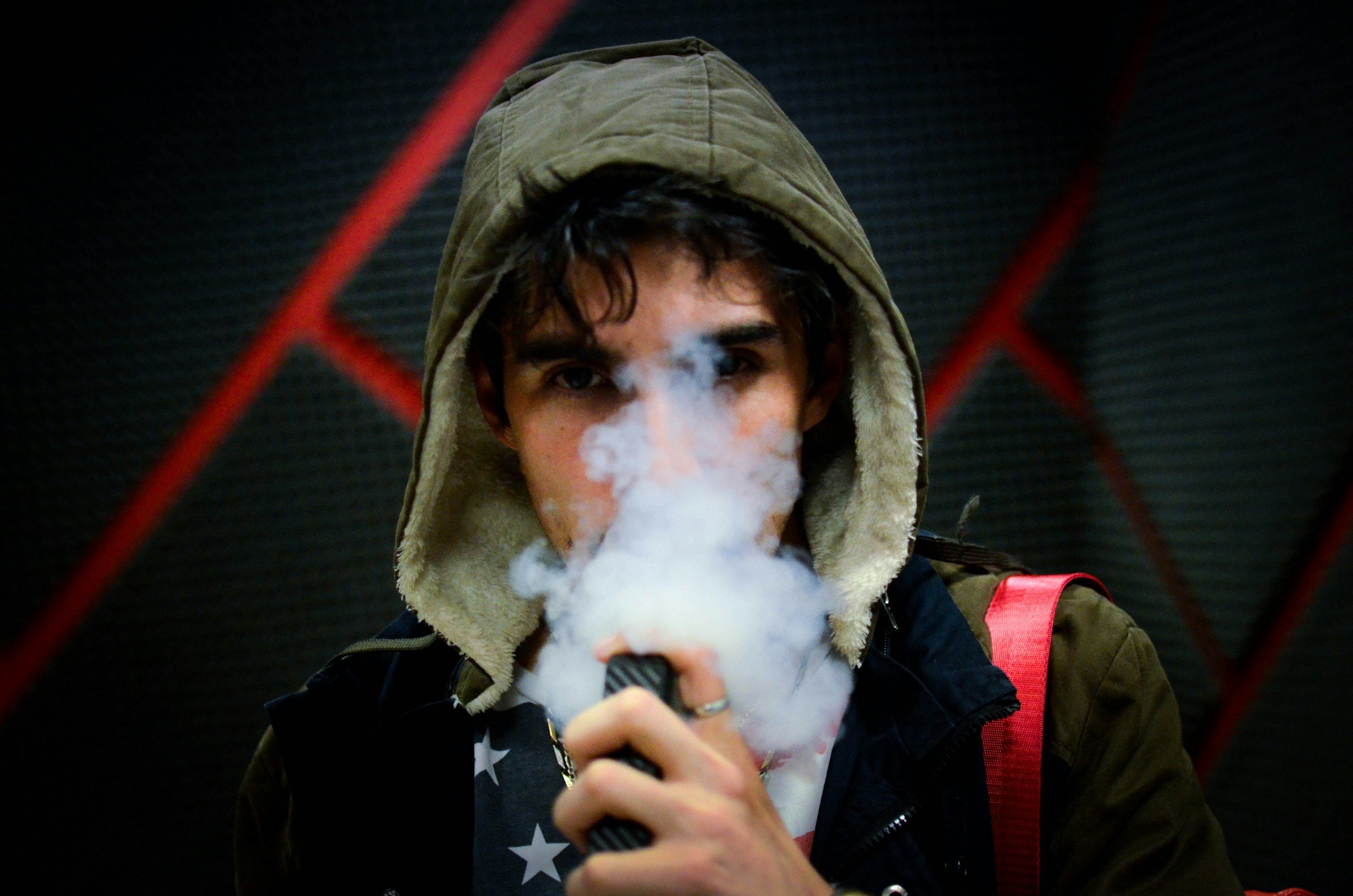
Our natural instinct, when we feel threatened or fearful, is to control and protect. Parenting adolescents in the age of the internet, technology, chronic vaping, and widespread marijuana use has created additional layers of threat and fear in an already tumultuous territory. When we discover that our teens are sending inappropriate pictures of themselves to others, are vaping in the school bathroom, are smoking weed in their bedrooms after the rest of the house has gone to sleep, our natural instinct as parents is to take their cell phones away or ground them for weeks or even remove the door of their bedroom. Usually these reactions are couched in anger, but beneath the anger and extreme response is terror.
As parents, we feel that our child’s health, quality of life, and future are being threatened. The fear underneath the anger expressed is primal. And our natural response to primal fear and threat is to protect and control. Our intention is good. Every fibre of our being screams that we must correct this behaviour because this behaviour threatens the well-being of our child. But when we focus on attempting to control the behaviour through attempts to control and punish the teen, we miss the most important question of all: What pain is my child trying to soothe right now? And we miss the opportunity to truly reduce the threat that the behaviour creates by missing the opportunity to support them in figuring that out and working from there.
Posting or sending sexually explicit photos may be a way of soothing the pain of not feeling valued or worthy without the attention or approval of another – an attempt to manage the distress of feeling invisible, unnoticed, or not good enough. Vaping in the bathroom at school may be a means of managing the physical withdrawal related to a habit that initially developed out of desperation to feel something good in the face of so many things that feel bad. Smoking weed in the darkness of a bedroom may be an attempt to relieve and cope with overwhelming anxiety or loneliness that cannot otherwise be escaped.
Can we, as parents, respond in a way that feels counter-intuitive because it requires us to pause our natural response to try to protect through immediate control and behaviour correction and, instead, protect our hurting adolescents with compassion, concern, and attempts to understand and connect?
This is not quick, nor is it easy. And, yes, the stakes are high. But it is because of precisely how high those stakes are that it is so important. As parents, can we actually best support our teens in reducing those behaviours over time by maintaining connection and relationship with them and trying to support them in figuring out what pain or struggle these behaviours are being used to soothe and how they might manage that pain or struggle differently.
We are not bad parents because we react with punishment. We are simply scared because we love them so much. Our intent is good. They are not bad kids because they engage in some of these behaviours. They are hurting and trying to get relief. Their intent is good. And I remind parents of this because it’s hard to see as we are often blinded by the behaviour itself.